
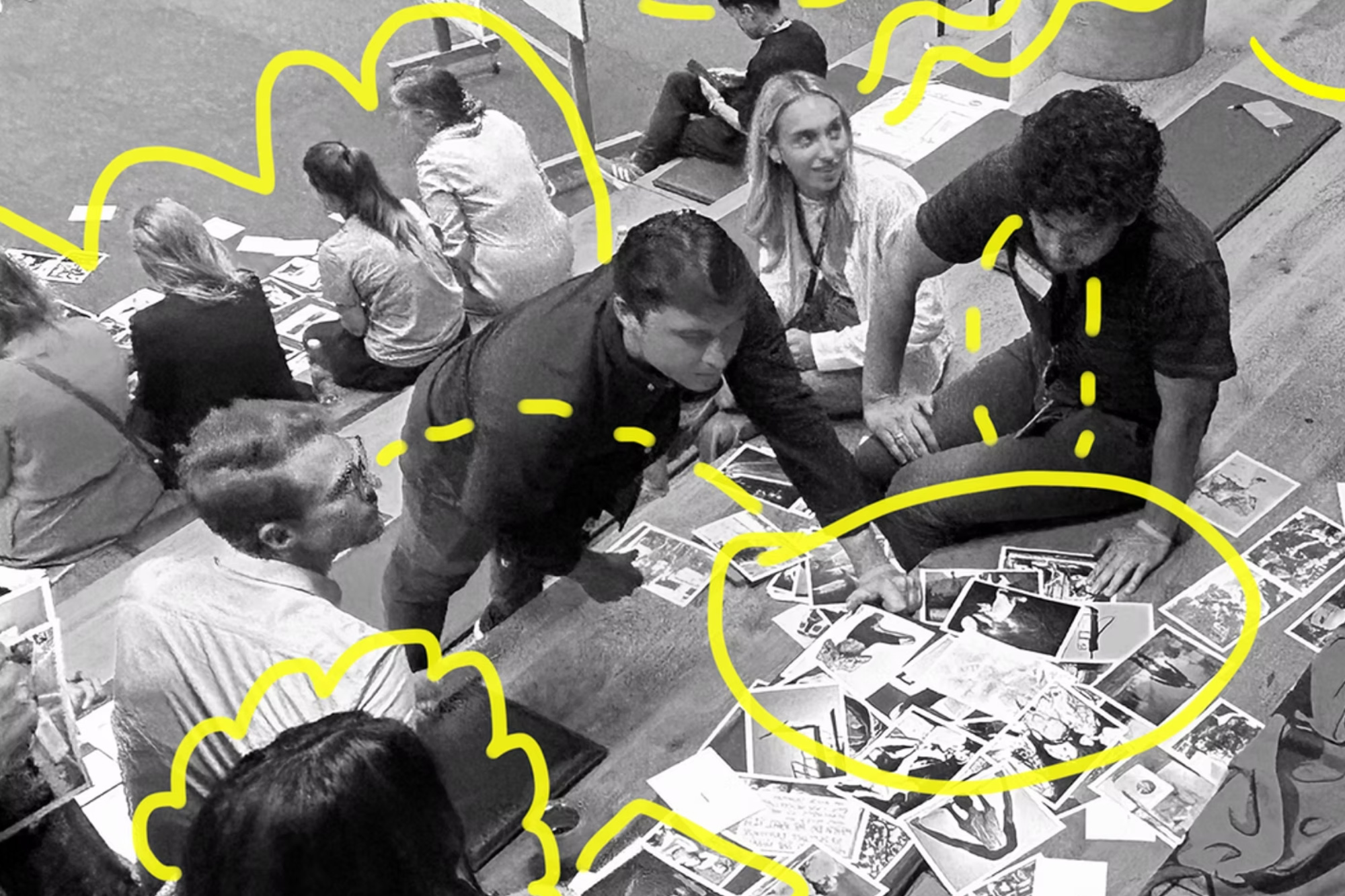
The hardest business challenges are rarely solved by another routine meeting.
They require honesty, imagination, different perspectives and the confidence to explore ideas that may not arrive fully formed.
That is where Make Work Play comes in.
Founded by Winchester-based facilitator, coach and creative practitioner Lucy Taylor, Make Work Play helps organisations approach complex work in a more human, collaborative and imaginative way.
Its proposition is simple: help people do hard things in a fun way and achieve better results.
The business works across strategy, organisational culture, collaboration and storytelling. It designs and facilitates workshops, learning experiences and programmes that help teams untangle difficult questions, generate ideas and move forward together.
Lucy’s approach brings together creative facilitation, systemic coaching, qualitative research, behavioural insight and immersive learning.
She believes play is not a distraction from serious work. Used with purpose, it can help people stay engaged with difficult subjects for longer, question established assumptions and contribute more openly.
That matters because organisations often become stuck not through a lack of intelligence or experience, but because familiar working habits keep producing familiar answers.
A playful reframe can change the conversation.
It can help a leadership team see a strategic problem differently. It can give quieter voices more space in a workshop. It can make a difficult cultural issue easier to discuss. It can help people move beyond safe ideas and imagine what could be possible.
Make Work Play applies that thinking to real organisational challenges.
Rather than beginning with a standard workshop format, Lucy starts with the problem the organisation needs to solve. The experience is then designed around the people, the context and the result required.
That might involve helping a team clarify its story, develop a strategy, improve collaboration or explore a period of change.
The work may feel playful, but it is not without structure or purpose.
Every exercise is intended to help people think, participate and act differently.
Make Work Play is also built around collaboration. Lucy works with a wider network of facilitators and creative specialists who share a belief in the value of play, curiosity and intelligent experimentation. This allows the team to bring together different skills depending on the needs of each project.
Alongside its client work, the business has developed programmes that help individuals rethink their own relationship with work.
Work Play 101, for example, is a three-month learning and development programme created to help people bring more creativity, energy and playfulness into their working lives. The programme grew from Lucy’s own experience of losing, and then rediscovering, a sense of joy in her work.
What makes Make Work Play particularly relevant to Southern Creative Catalyst is its belief in the power of participation.
Lucy has supported SCC activity by facilitating conversations about the needs of creative businesses and contributing to discussions around funding, growth and regional support. At Venturefest South, Make Work Play joined SCC as a partner and exhibitor, with Lucy facilitating a funding roundtable and a workshop focused on how the region could better support creative entrepreneurs.
That work helps ensure SCC is shaped with the creative community rather than simply for it.
Bringing people into the conversation produces better insight. It reveals shared challenges, creates new relationships and gives businesses greater confidence that their experience is being heard.
Make Work Play also represents a broader truth about the creative economy.
Creativity is not limited to branding, advertising or visual design. It can improve the way organisations make decisions, develop strategies, build teams and respond to change.
In a business environment where many organisations are facing uncertainty, technological disruption and shifting expectations, the ability to think differently is a serious commercial skill.
Make Work Play helps businesses create the conditions for that thinking to happen.
From its roots in Winchester, it is demonstrating how play, facilitation and creative practice can help people tackle difficult work with more openness, energy and ambition.
The result is not simply a more enjoyable workshop.
It is the potential for clearer thinking, stronger collaboration and better work.